오늘 아침, 조깅화를 신고 집을 나섰다. 차가운 바람이 볼을 스치고, 목줄기를 타고 내려와 등에 스며들었다. 바람이 차갑다고 느껴질 만큼, 몸이 열로 가득 차 있었다. 그런데 이상하게 멈추고 싶은 마음이 들지 않았다. 한 걸음, 두 걸음, 천천히 속도를 늦추며 이제는 “멈추는 법”을 배운 나 자신이 조금은 대견했다.
운동을 마치고 나서 예전 같았으면 그냥 주저앉았을 텐데, 이젠 안다 — 몸을 천천히 식히고, 물을 조금씩 마셔야 한다는 것. 그건 단순한 습관이 아니라, 몸과 대화하는 시간이다.
🌿 내 몸에게 “수고했어”
스트레칭을 하며 스스로에게 말을 걸었다. “오늘도 고생했어. 수고했어.” 그 한마디가 참 따뜻하게 들린다. 몸이 대답하는 것 같다. “응, 오늘도 잘했어.”
🍞 운동 후의 황금 조합
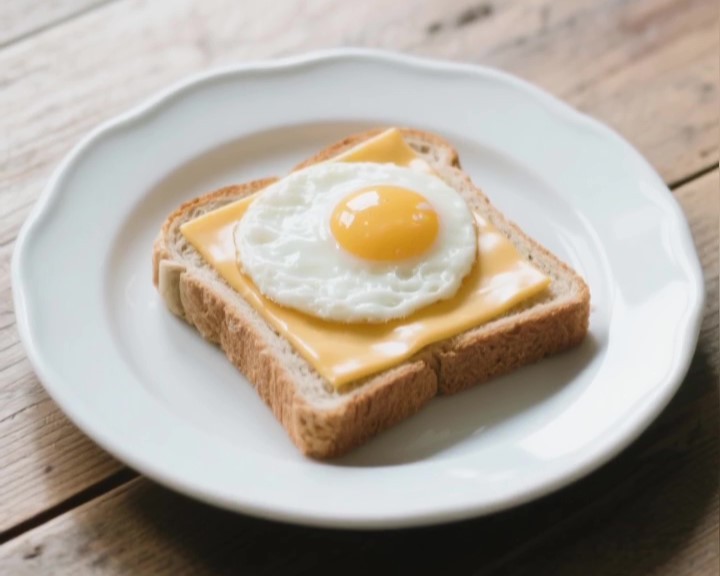
운동을 마치고, 버터를 살짝 바른 통밀빵을 팬에 올렸다. 노릇노릇한 색이 번지며 고소한 향이 피어오른다. 그 위에 치즈 한 장, 반숙으로 구운 계란 하나. 노른자가 살짝 익어 흘러내리지 않는 그 상태 — 그야말로 완벽했다.
소금은 한 톨도 넣지 않았는데, 빵과 치즈의 염분이 자연스럽게 간을 맞춰 주었다. 그릴드 치즈 샌드위치를 한 입 베어무는 순간, 운동으로 달아올랐던 몸이 부드럽게 안정되는 느낌이 들었다.
☕ 커피 한 잔의 여운
따뜻한 커피 한 모금. 통밀빵의 구수함과 치즈의 짭조름함이 커피의 쌉쌀한 향과 만나 완벽하게 어울린다.
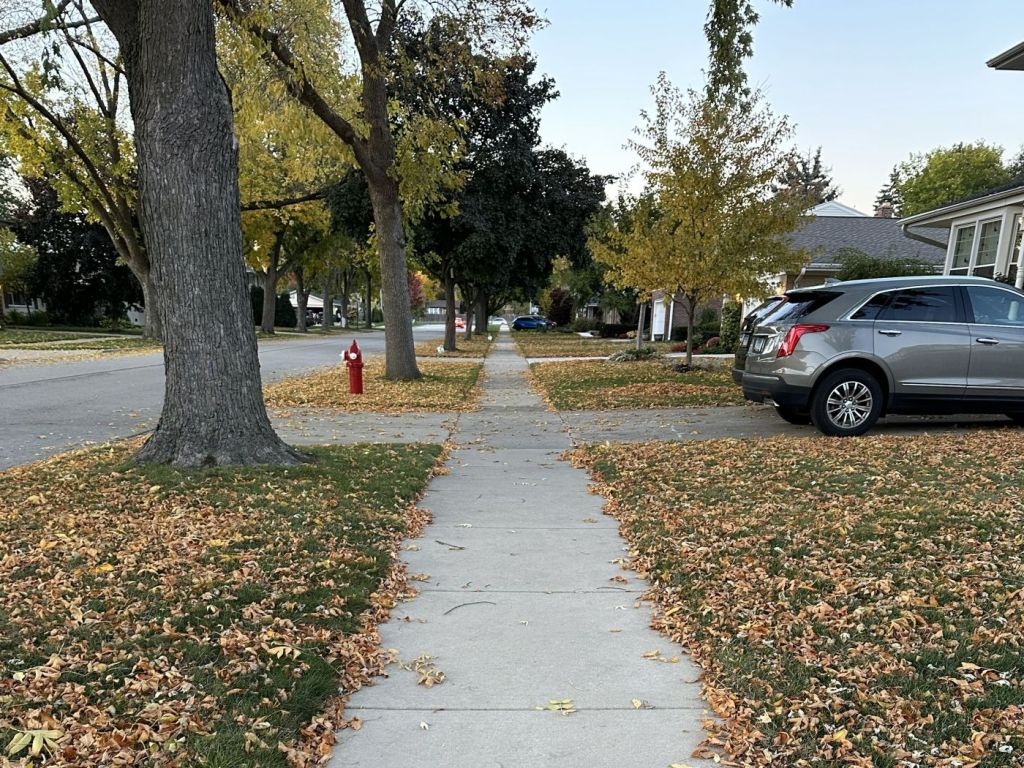
다이닝룸 창가에 앉아 햇살을 받으며, 페디오 창문 너머로 보이는 바깥 풍경을 바라본다. 지금 이 순간이, 오늘 하루를 살아갈 힘이 된다.
🌤️ 오늘의 결심
운동은 내 몸을 단련하는 시간이지만, 동시에 내 마음을 다독이는 시간이다. 내일도, 모레도, 이 평범하지만 완전한 순간을 계속 이어가야지.
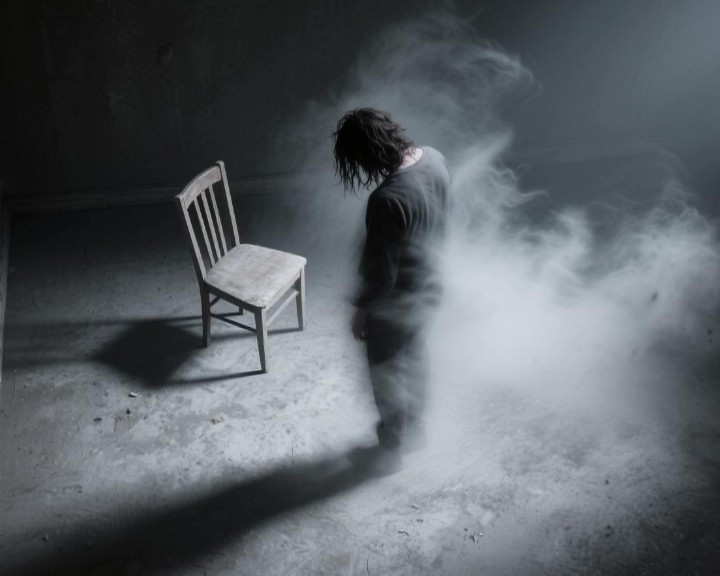
사랑하는 아내와 사랑스러운 세 자녀, 부족한 것 없어 보이던 친구의 아들이 목숨을 끊었습니다. 그는 오랫동안 우울증과 싸워왔어요. 이 병이 얼마나 심각 한지 뼈저리게 느끼게 합니다. 생각을 멈출 수 없어요 . 얼마나 암울한 시간들 이었을까? 가족을 떠나는 것만이 유일한 탈출구라고 생각했을 그 순간, 그는 매일 어떤 고통을 견뎌 왔기에 아이들이 있는 집에서
그토록 비극적인 최후의 선택을 한 걸까요? 겉으로 보이는 것들이, 진실을 말 하는 것이 아님을 생각 하게 해요. 단순히 슬픔을 느끼는 것만이 아닙니다.
현실을 왜곡하는 질병
우울증은 모든 것을 왜곡하는 끈질기고 파괴적인 힘입니다. 사랑하는 사람들과 함께 있는 순간 에도 그 사람은 완전히 고립된 것처럼 느낄 수 있습니다. 그것은 거짓말을 속삭이며, 당신이 짐이라고, 당신 가족이 당신 없이 더 잘 지낼 것이라고, 더 나은 내일에 대한 희망이 없다고 말합니다. 당신의 에너지를 빨아들이고, 기쁨을 앗아가고, 가장 단순한 일조차 산을 오르는 것처럼 느끼게 합니다.
저는 이 괴물에 대해 좀 알아보고 싶습니다. 제 마음의 평화를 위해서 만이 아니라 모두를 위해서 입니다. 우리는 이 괴물에 대해 이야기하고, 다른 사람들 뿐 아니라 우리 자신 에게 나타나는 징후를 인식하는 법을 배워야 합니다.
전문가 가 있어요
우울증은 약함의 징후가 아니라 질병입니다. 뼈가 부러지면 의사를 찾는 것처럼 정신 건강을 위해서는 전문가의 도움을 받아야 합니다. 우울증은 현실을 왜곡하며 사실이 아닌 것을 믿게 만드는 질병입니다. 많은 사람들 사이에 있지만 자신은 무가치하고, 사랑 받을 수 없으며, 완전히 혼자라고 느끼게 만드는 것이 우울증 입니다. 그 무게가 너무 무거워 침대에서 일어나는 것 마저 불가능 하다 생각 하게 만듭니다.
침묵을 깨야 하는 이유
당신을 *당신*으로 만드는 바로 그 마음이 당신에게 등을 돌리는 것을 상상해 보세요. 최악의 순간들을 계속 생각 하게하고, 자신 결점만 을 생각 하게하며, 희망의 목소리는 침묵 하게 합니다. 끊임없이 이어지는 감정적 고통은 계속 됩니다. 그리고 그들은 그 낙인 때문에 그들은 끊임없이 이어지는 감정적 고통은 계속 됩니다. 판단 받거나, 오해 받을까 봐 침묵 속에 고통 받습니다. 그들은 용감한 척하며 직장에 가고 아이들에게 미소를 짓지만, 마음속에는 폭풍이 휘몰아칩니다.
우리는 그 침묵을 깨야 합니다. 누군가 가 “괜찮지 않아” 라고 말할 수 있고, 판단이 아닌 연민과 지지로 맞이할 수 있는 세상을 만들어야 합니다. 우울증의 공포는 눈에 띄지 않게, 숨어 있는 조용한 살인자라는 것입니다. 우울증은 피해자 들 에게 고통이 자신의 잘못이며 벗어날 수 없다고 확신시킵니다. 하지만 벗어날 수 있는 길이 있습니다. 도움과 치료, 그리고 희망이 있습니다. 어려움을 겪고 있다면, 당신은 혼자가 아니며, 지금 느끼는 감정이 당신의 잘못이 아니라는 것을 기억하세요.
도움을 요청하는 용기
우울증은 질병이며, 치료될 수 있습니다. 도움을 요청하는 것은 당신이 할수있는 가장 용감하고 강력한 행동입니다. 친구, 가족, 의사 또는 치료사와 상담하세요. 본인이나 아는 사람이 힘든 시간을 보내고 있다면 주저하지 말고 도움을 요청하세요. 위기 상담 전화와 정신건강 관련지원 서비스가 마련되어 있습니다. 아래 설명에서 링크를 확인하실 수 있습니다. 당신의 삶은 소중하며, 더 나은 삶을 누릴 자격이 있습니다. 서로를 돌보고, 판단 없이 경청하며, 누군가에게 절실히 필요한 힘이 되어주세요. 들어주셔서 감사합니다. 자신과 서로를 잘 돌봐주세요.
A dear friend’s son—someone with a loving wife, three beautiful children, and a seemingly perfect life—took his own life. He had been fighting depression for a long time. Only now do I realize how terrifying and destructive this illness truly is.
My thoughts won’t stop.
How dark must his world have felt, that leaving it all behind seemed like the only escape? What unbearable pain did he live with, to make such a tragic choice in the middle of his home?
It’s horrifying. It reminds us that the things we see on the surface often hide unbearable struggles underneath. Depression isn’t just sadness — it’s a relentless force that distorts everything. It whispers lies: that you’re a burden, that your family would be better off without you, that there’s no hope for tomorrow. It drains your energy, steals your joy, and turns even the simplest tasks into impossible mountains. We need to understand depression and break the silence.
not only for my own peace, but for everyone who’s been touched by its shadow. We must learn to talk about it. We must recognize the signs — in others and in ourselves.
Depression is not weakness. It is an illness. And just as we would see a doctor for a broken bone, we must seek professional help for our mental health.
It warps reality, making you believe things that aren’t true. It can make you feel worthless, unloved, and completely alone — even in a crowded room. The weight can be so crushing that getting out of bed feels impossible.
We need to understand this monster.
Imagine your own mind turning against you — replaying your worst moments, amplifying your flaws, and silencing every voice of hope. That pain doesn’t simply fade. And because of stigma, people suffer in silence, afraid of being judged or misunderstood.
They smile at their children, go to work, and pretend they’re fine — while inside, a storm rages.
We need to break that silence. We need a world where someone can say, “I’m not okay,” and be met not with judgment, but with compassion and understanding.
Don’t give up hope; we’re here for you.
It convinces its victims that their pain is their fault and that there’s no way out. But there is a way out. There is help. There is treatment. There is hope.
If you’re struggling, please remember — you are not alone. Your feelings are not your fault. Depression is an illness, and it can be treated. Reaching out for help is not weakness — it is the bravest and strongest thing you can do.
Talk to a friend, a family member, a doctor, or a therapist. If you or someone you know is in crisis, please seek help right away. Your life matters. You deserve to live it fully.
Let’s care for one another. Let’s listen without judgment. Let’s be the strength someone desperately needs. did you ever hear about this kind of terrifying story around your side? Listen also: [The Silent Monster – on Bandcamp]
If you or someone you know is in emotional distress or thinking about suicide, call or text 988 to reach the Suicide and Crisis Lifeline — available 24 hours a day, 7 days a week. You can also visit 988lifeline.org for chat support and more resources. Free and confidential help is always available. ❤️
🇰🇷 한국 독자를 위한 정보
우울하거나 극단적인 생각이 들 때는 혼자 견디지 마세요. 정신건강상담전화 1577-0199 (24시간) 자살예방상담전화 1393 (24시간, 익명 상담 가능) 청소년 전화 1388 (청소년 및 가족 대상) 이 번호들은 모두 무료이며, 당신의 이야기를 들어줄 사람들이 항상 대기하고 있습니다. 💛
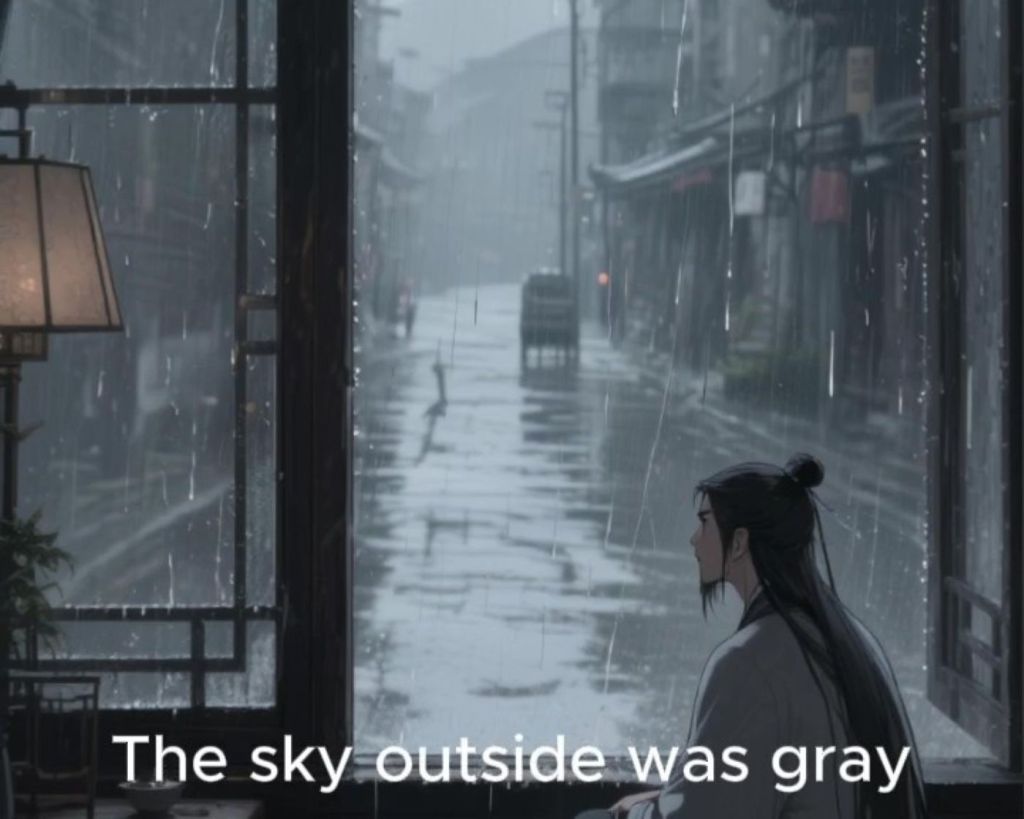
The sky outside was gray, so I decided to pour myself a cup of coffee and read something lighthearted to start the day. That’s when I came across a little story that made me laugh — the kind of laughter that gently rolls out with the steam from your mug.
Love doesn’t always come in grand gestures — sometimes it walks into the room with coffee in hand and a smile on its face. Here’s a lighthearted little story that reminds us how love, like life, needs small acts of warmth.
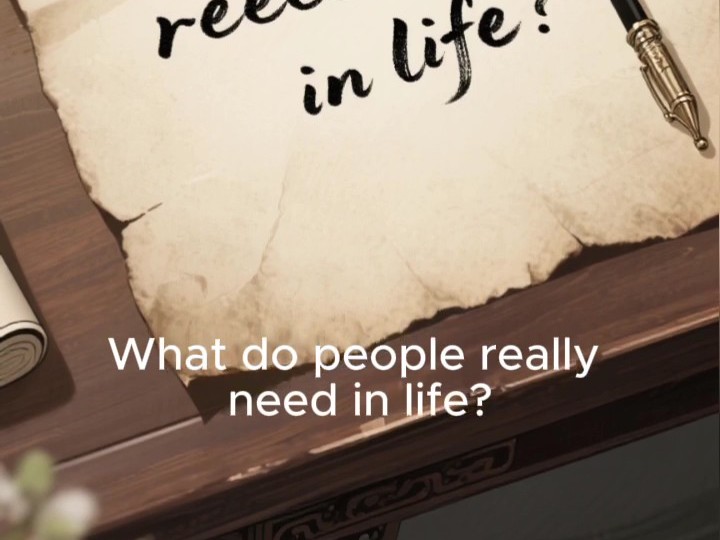
A philosopher once sat alone in his study, wondering deeply:
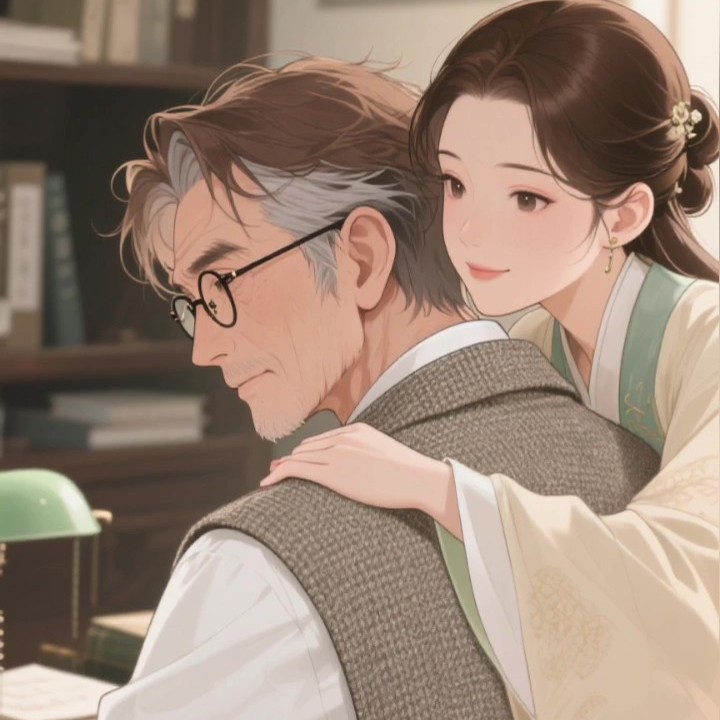
He was lost in thought, pen in hand, when his wife quietly stepped in, wrapped her arms around his shoulders, and whispered, “Darling, take a break~”
“What do people really need in life?”
He smiled softly. “Just a little longer, my love.”
As soon as she left, he quickly scribbled on his paper: “What we need in life is love.”
a tormented philosopher
But the philosopher wasn’t done thinking. “If love is what we need,” he mused, “then what does love itself need?”
He furrowed his brow and went deep into thought again — until his wife reappeared and said, “Honey, I need love right now!”
He followed her to the bedroom, of course. And some time later, he returned to his desk, his face pale and hair a little messy. Under his earlier question, he wrote with great conviction:
“What love needs… is nourishment!” 😂
I don’t know who first came up with this story, but I couldn’t help smiling at its honesty. Even the greatest thinkers need a reminder sometimes — that love doesn’t survive on theory alone. It needs warmth, laughter, and maybe… a little breakfast. ☕💛 <love, humor, happiness, relationship, daily philosophy>
📎 Adapted from a humorous post I came across in a Korean online community (USA Disk Club Happyday).
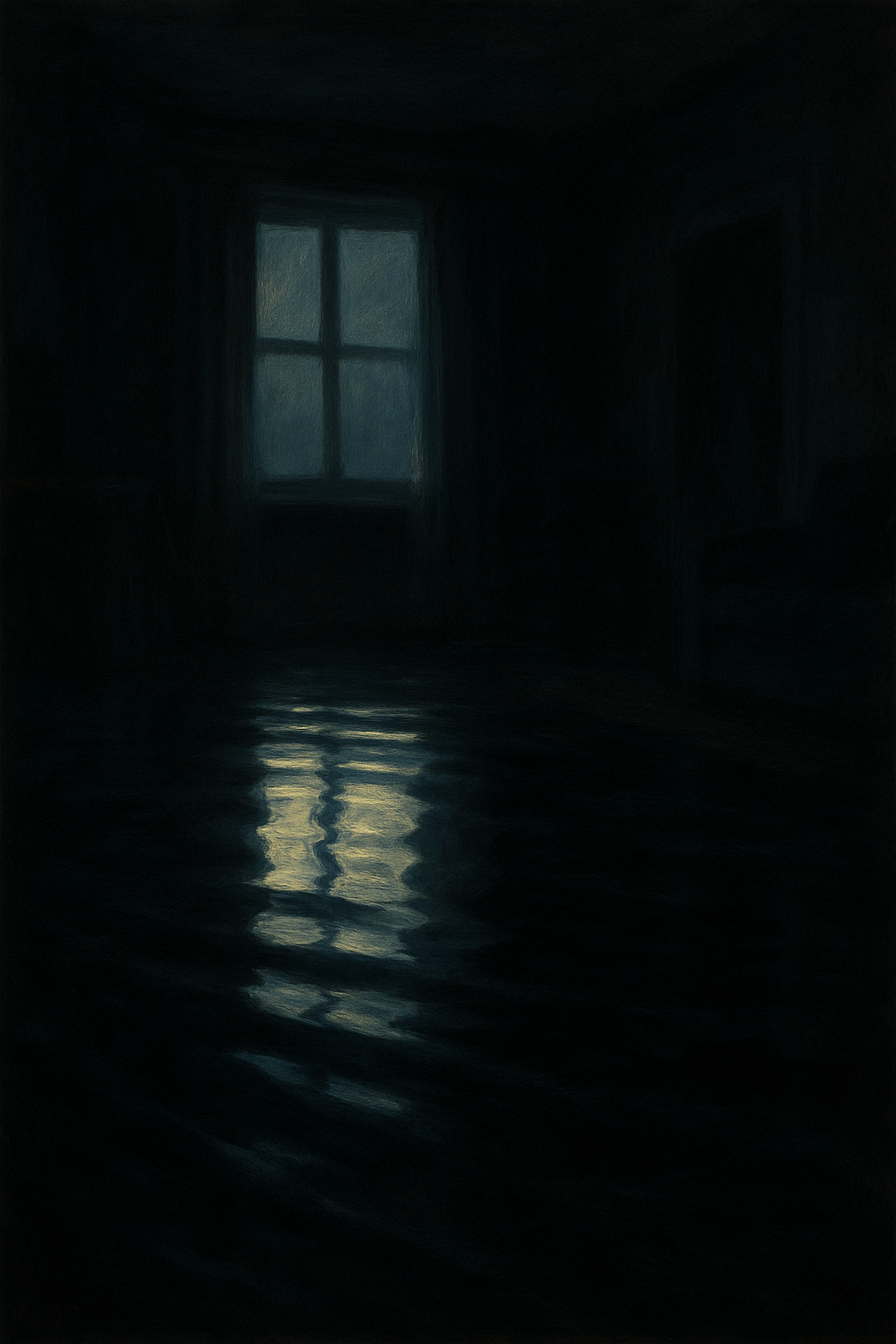
Today, I had one of the most baffling experiences of my life. When I came home from work,
I found about two gallons of water pooled on the living room floor, and even around the kitchen sink, water had overflowed.
It was so strange that I could hardly believe my eyes. For a moment, I wondered,
“Did someone actually pour water here on purpose?” Could someone have entered my home while I was away and created this mess? The thought itself felt unsettling and even absurd.
“vanishing water mystery”
Something incomprehensible happened. But what happened next was even more mysterious. Within just one hour, all that water completely disappeared. After wiping it up with towels, the floor looked perfectly dry— as if the water had never been there at all. It was almost unbelievable.
Maybe it’s something about the building’s Structure that makes the water drain or evaporate quickly, but still, I couldn’t shake off the uneasy feeling. At one point, I even thought, “Could it be a ghost playing tricks on me?”
This incident left me with more questions than answers. Could someone else have a key to my home? Or was it simply one of those unexplainable moments life throws at us?
Have you ever experienced something this strange? Share your thoughts in the comments— I’d really love to hear your stories!
오늘은 정말 황당한 경험을 했습니다. 퇴근 후 집에 돌아와 보니, 리빙 룸 바닥에 물이 2갤런 정도 고여 있었고, 싱크대 주변까지 물이 넘쳐나 있었습니다. 상황이 너무 이상해서 눈을 의심했어요.
내가 없던 사이에 누군가 집에 들어와서 물을 붓고 상황을 연출한 건 아닐까 하는 생각도 들었죠. 정말 너무 황당한 일이었고, 불쾌하게 느껴졌습니다. 그런데 여기서 더 이상한 점은, 그 많은 물이 딱 한 시간 만에 사라졌다는 점입니다. 타올로 닦아내자, 바닥은 전혀 물이 고여 있었다는 흔적이 없을 만큼 완전히 말랐어요. 정말 신기한 일이었습니다. 이 집의 건축 구조 덕분인지, 물이 빠르게 사라지는 것처럼 보였지만, 그 상황을 이해할 수 없어서 “귀신이 장난을 친 건 아닐까?” 하는 생각까지 든다는 사실입니다. 이 일은 정말 저에게 큰 의문을 남겼고, 혹시 우리 집에 열쇠를 가진 누군가가 있었던 걸까? 하는 의문도 남겼습니다. 여러분은 이런 경험을 한 적 있나요? 댓글로 공유해 주세요! 여러분의 의견을 듣고 싶습니다.
오늘 직장에서 일 할때 참 많이 웃었습니다. 몇칠 계속 장마 처럼 비가 왔어요. 오늘 비가 햇님께 자리를 양보 했어요. 활짝 웃는 듯한 햇님의 미소 그에 화답하듯 저도활짝 웃었어요. 요즘 한 며칠 저는 꽤 우울 했었답니다. 혹시 당신도 나처럼 무표정한 얼굴로 흘러가는 시간을 따라 가고 있진 않으셨나요?
제 직장에는 십년 넘게 함께한 동료가 있습니다. 오늘 그녀의 밝은 얼굴을 떠올려 보려고 했어요. 그런데 아무리 생각해도그녀의 웃는 얼굴이 도무지 떠오르지 않더군요. 아마 한 번도 본 적이 없는 것 같아요.
화 내는 표정, 기뻐도, 슬퍼도 그저 같은 얼굴. 그녀의 감정은 말투와 눈빛에서만 조금씩 느껴집니다. 그러고 보니,”웃지 않는다는 건 살아 있는 마네킹처럼 사는 게 아닐까?” 하는 생각이 들었습니다.
자만은 금물
그런 마음으로 오늘, smilewithme.today 라는 이 공간을 시작해봅니다. 오래 전부터 알고 지내던 분이 며칠 전 운전중 심장마비로 세상을 떠났어요. 얼마 전에 어머니 께서 영면에 드셨다는 소식을 들었을 때도 그렇게 놀라지는 않았어요. 운전중에 심장마비로 떠나셨어요. 제가 좋아하는 그분의 이야기를 들으니 한 며칠 웃는다는 것이 어떤 것인지 잊어버린듯 살았어요.
웃으면 복이와요.
살다 보면 웃을 일도, 울 일도, 때로는 아무 일도 없는 날들로 가득하지만 그래도 웃을 수 있다면 — 그 하루는 충분히 잘 살아낸 거겠죠. 조용히 생각했습니다. “그래, 나는 아직 살아 있다.” 이왕 살아 가는 것 웃으며 즐겁게 살자. 나는 이틀만에 해바라기 처럼 방긋 웃게 되었어요.
혹시 오늘은 아직 한 번도 웃지 않으셨다면, 지금 이 순간,
저와 함께 살짝 웃어보시겠어요? 😊
이곳은 그런 작은 미소 하나를 함께 나누는 공간이 되었으면 좋겠습니다.
웃고 싶지만 웃을 일이 없을 때, 이곳에서 작은 미소를 나눠보세요. smilewithme.today는 따뜻한 이야기와 감성으로 당신의 하루에 미소를 더합니다.
이 이야기는 제가 2006년 에 시애틀에서 작은 식당을 경영하고 있을 때의 추억에서 온 이야기입니다. 우리 가게 끝에는 셰이퍼 웨이라는 식품점이 있었어요.
그 세이프 웨이 트럭을 운전하는 분이 단골 이었어요. 얼마나 괴짜인지 그분이 가게 들어오면 파티가 진행되는 듯하곤 했어요.
얼마 전 그분 생각이 나서 가사를 쓰고 또 한곡의 재미있는 트랙을 탄생시켰어요. 혹시 같이 들어보시고 잠시라도 웃으며 아 ,이런 삶을 사는 사람도 있구나. 할 수 있지 않을까 해서 올려봅니다.
바닷가에서의 삶
제가 살던 가까운 곳에 긱 할버 라는 곳이 있어요. 그곳을 가로질러 넘어가는 대교 아래를 크리스마스 날 빨간 산타복을 입고 그분이 친구와 둘이서 수상 제트 스키를 타던 그 생각이 나서 이렇게 나눠봅니다.
이제 크리스마스가 두 달도 남지 않았죠 얼마 남지 않은 이 한해를 알차고 보람있게 보내시길 바래요.
그리고 이제 곧 추워지겠죠, 추위가 한바탕 몰려오면 또 따뜻한 곳으로 여행이 가고 싶다. 하는 생각도 들 것이고요. 위의 이미지 한 장으로 따뜻한 곳을 생각해봐요.
노래 가사도 함께
여기 가사를 올려 볼게요.
그 남자 16위어 트럭을 몰고 길 위를 달리네, 경연대회 우승자, 스티어링은 그의 무대. 가게에 들어와선 웃으며 외치네, “오늘 술은 내가 쏜다, 술 잔을 들어라!” [Chorus] 그는 인생을 즐길 줄 아는 남자, 바람 따라, 파도 따라 자유로이. 아무도 못 막아, 그 웃음과 열정, 오늘도 삶은 그의 노래가 된다. [Verse 2] 크리스마스 날, 바다 위 산타가 되었네, 빨간 옷 입고 제트스키로 물살을 갈라. 사람들은 손가락질하며 “미쳤다” 웃어도, 그는 추위를 잊고 더 크게 웃었다. [Chorus] 그는 인생을 즐길 줄 아는 남자, 바람 따라, 파도 따라 자유로이. 아무도 못 말려, 그 웃음과 열정, 오늘도 삶은 그의 노래가 된다. [Bridge] 결혼도, 약속도, 그에겐 중요치 않아, 스스로 고른 길, 그게 그의 행복. 트럭의 엔진 소리, 바다의 물결 소리, 모두 그의 심장을 울리는 음악. [Final Chorus] 그는 인생을 즐길 줄 아는 남자, 하늘 아래, 바다 위를 달리는 영혼. 아무도 못 막아, 그 자유로운 불꽃, 오늘도 삶은 그의 노래가 된다. [Outro] 웃음 속에, 파도 속에, 바람 속에 남아, 인생을 즐길 줄 아는, 그 남자의 노래. 오늘도 인생 즐기러 땅을 차네.
A few years ago, there was a young boy who worked part-time at the restaurant I managed. I often noticed that he would rush to the restroom in the middle of his meal, every single time. He was thin, pale, and seemed constantly tired. One day, I gently asked, “If food leaves your body so quickly, how can your body get the nutrition it needs?” He smiled awkwardly and said he didn’t really know — that it had always been like that. Curious and concerned, I searched online that night, trying to understand what could cause such a thing. That’s when I first learned about Crohn’s disease — and this article began with that discovery.
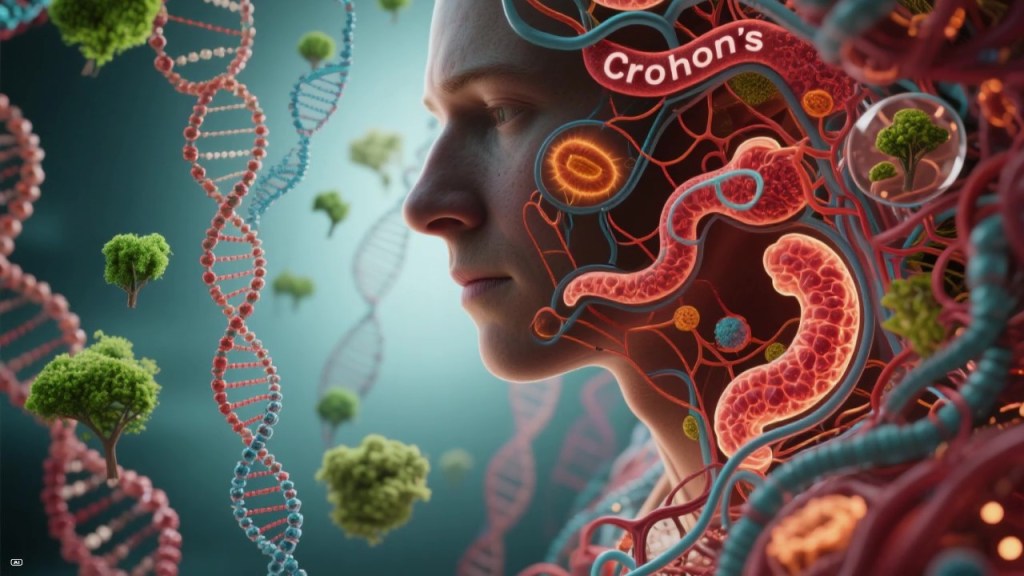
“Genes and lifestyle factors both play a role in Crohn’s disease.”
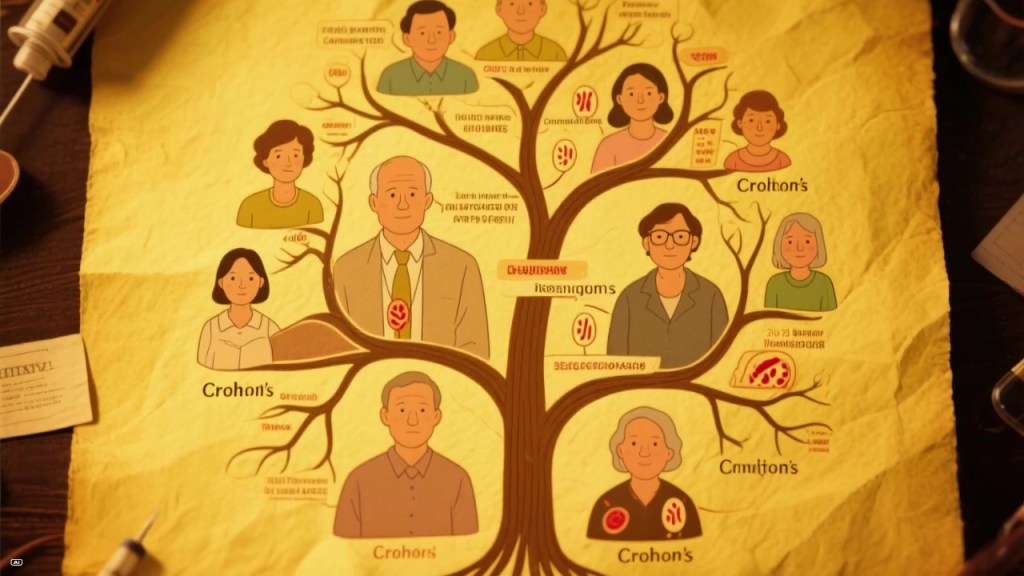
Diseases that can be inherited
The Crohn’s disease we are learning about is also genetic. This week’s question focuses on understanding this chronic condition — how it begins, how it affects the body, and how we can live with it.
Crohn’s disease is an inflammatory bowel disease, meaning it causes chronic inflammation in the digestive tract. It can lead to various symptoms such as abdominal pain, diarrhea, fatigue, and weight loss. While the exact cause isn’t known, we now understand that both genetics and environment play important roles.
If you have a family history of Crohn’s disease, your risk may be higher — but it’s not guaranteed. Environmental factors, like smoking, certain bacterial infections, or even stress, can trigger or worsen inflammation. It’s a reminder that our bodies are deeply connected to the world we live in.
“Understanding the genetic connection in Crohn’s disease.”
The encouraging news is that modern medicine offers treatments that can help manage symptoms and prevent complications. Doctors often combine medication, diet changes, and lifestyle adjustments to help patients maintain long-term wellness.
Still, your daily habits matter more than you might think. Maintaining a balanced diet, regular exercise, stress management, and avoiding tobacco can all lower the risk of flare-ups and help you feel stronger every day.
If symptoms do appear — don’t delay. Early diagnosis and consistent care can make all the difference in keeping Crohn’s under control and improving quality of life.
So, if you or someone you love has a family history of Crohn’s disease, remember this: It isn’t just about genes — it’s also about how we nurture our bodies, our environment, and our peace of mind.
Healthy habits are the strongest inheritance we can give ourselves. 💚Thanks for Reading.















댓글을 달려면 로그인해야 합니다.